Project Description
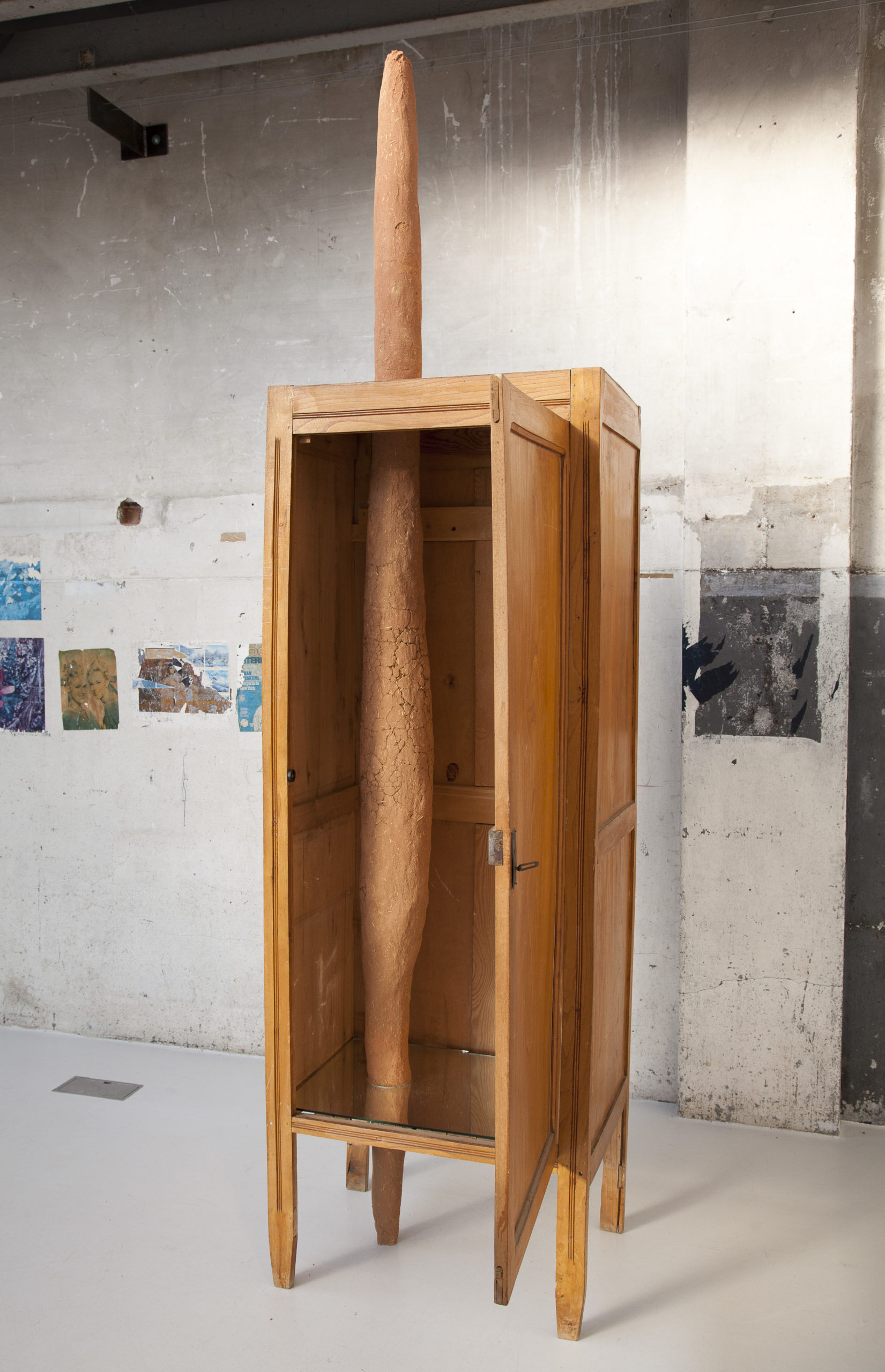
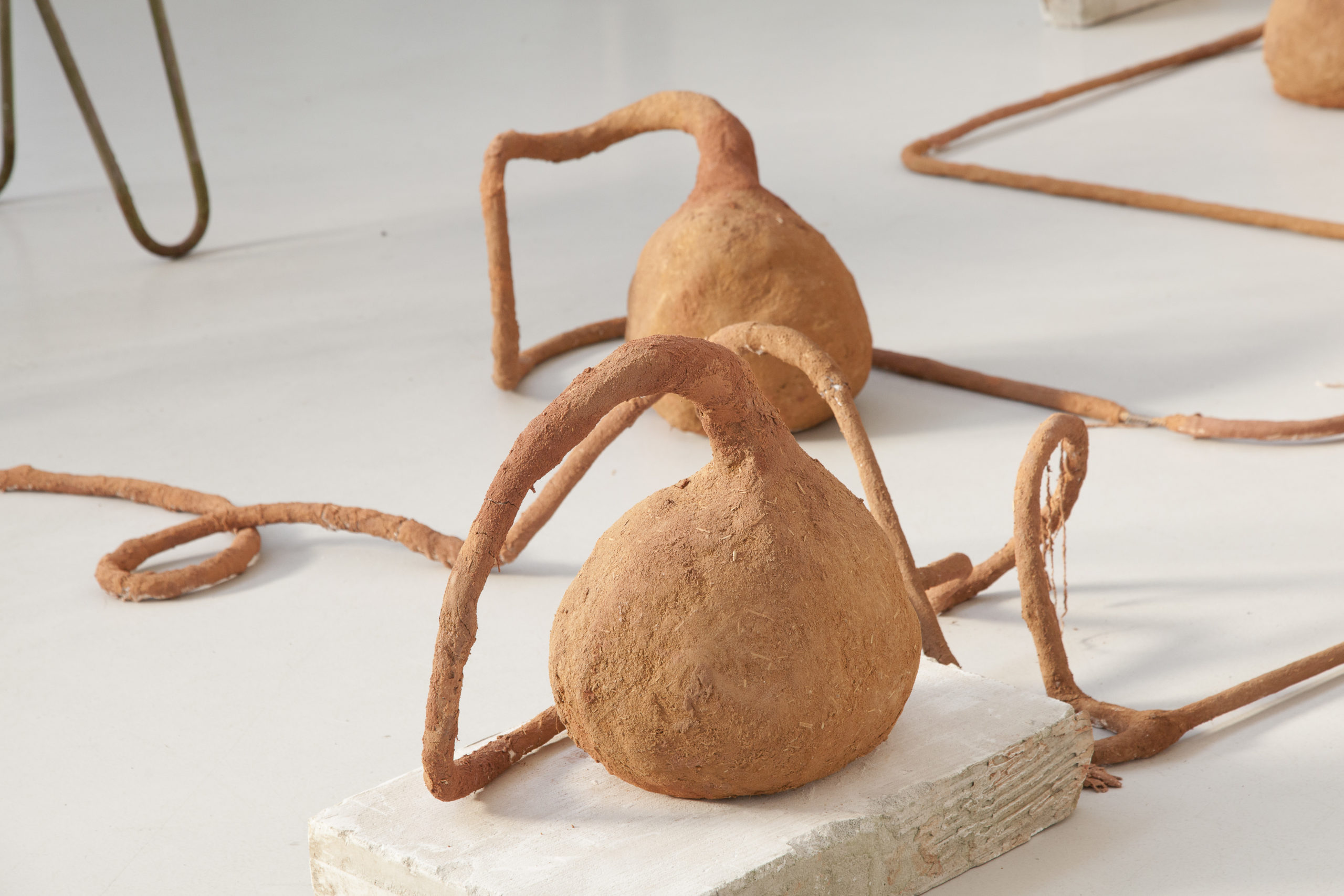
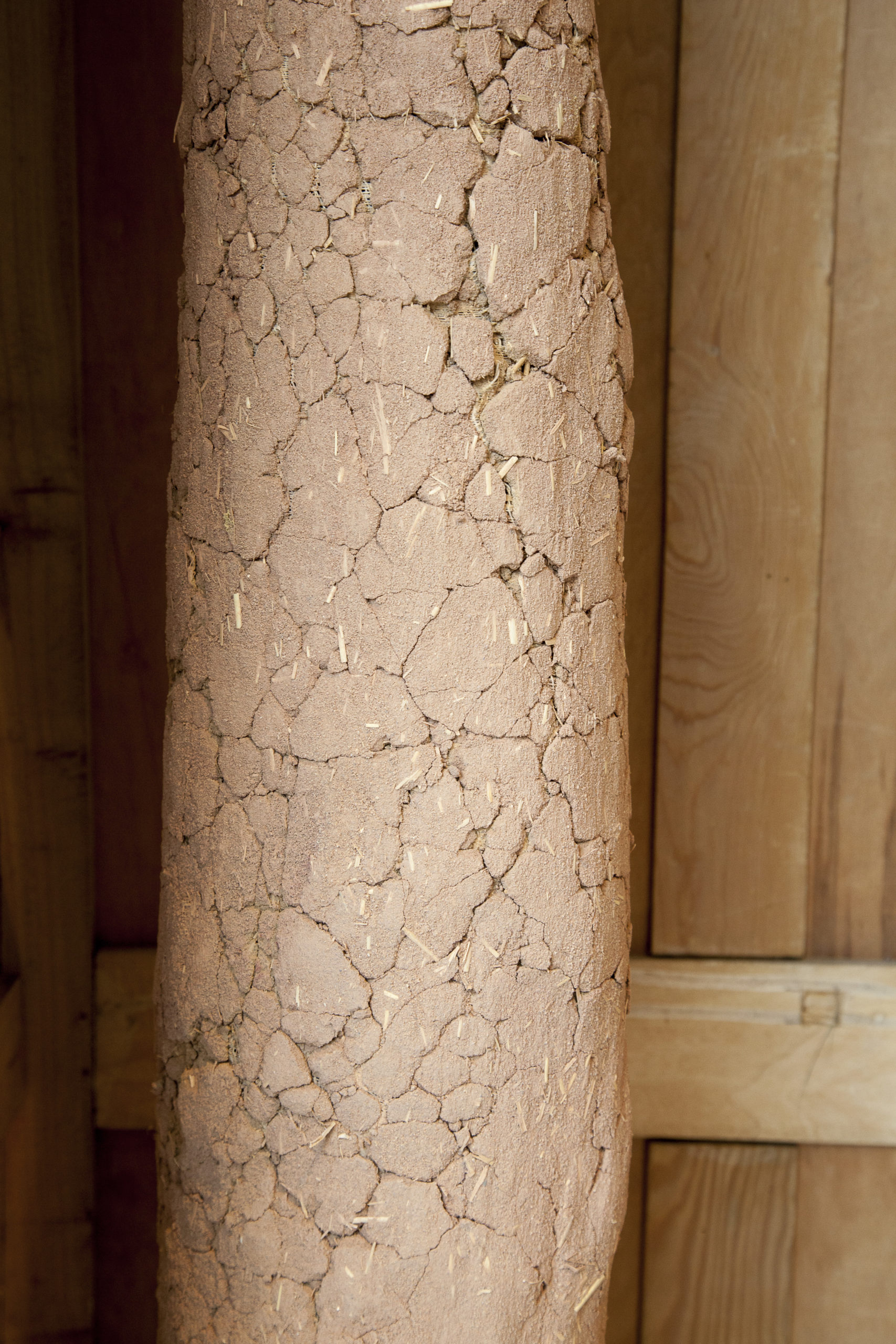
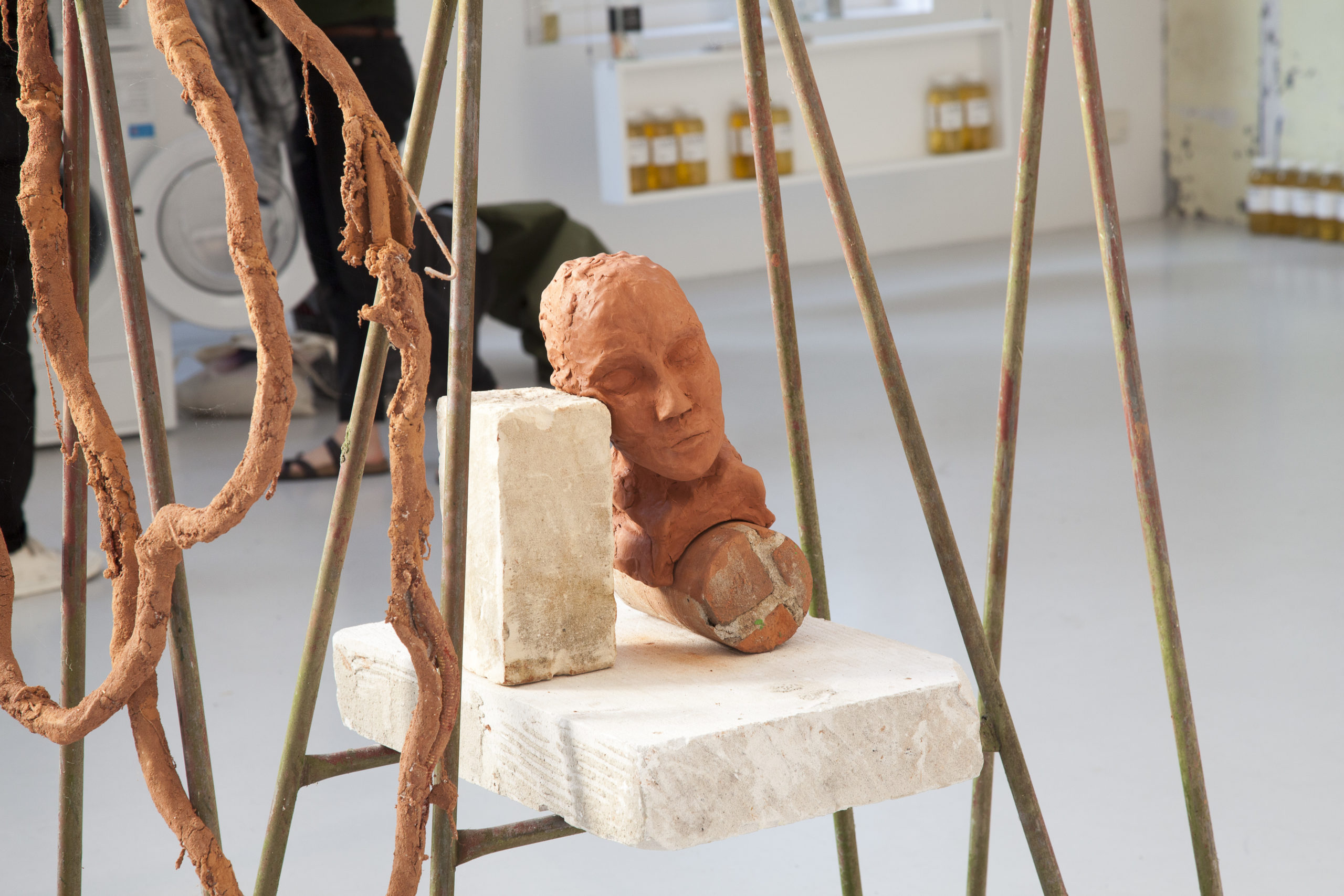
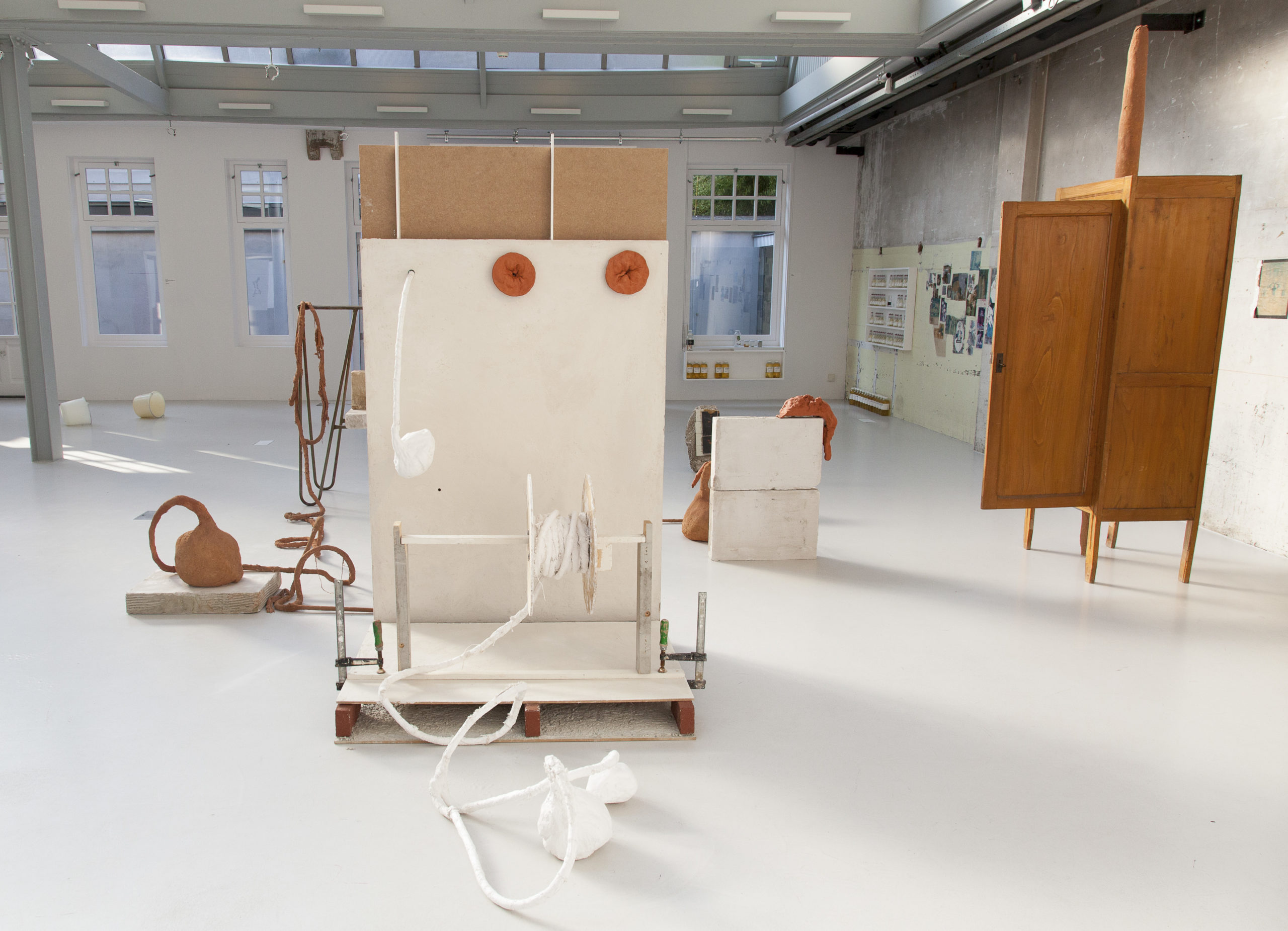
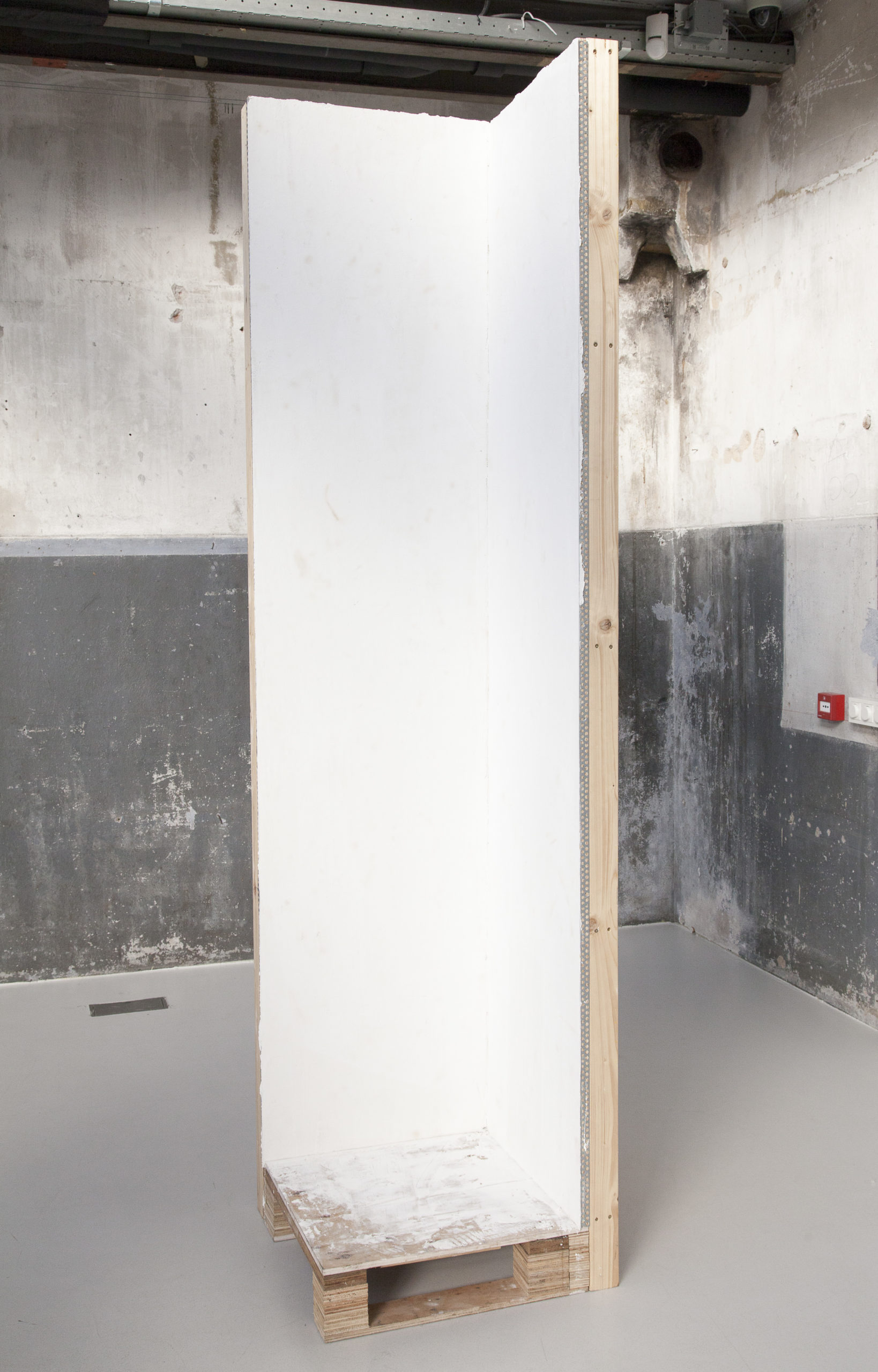
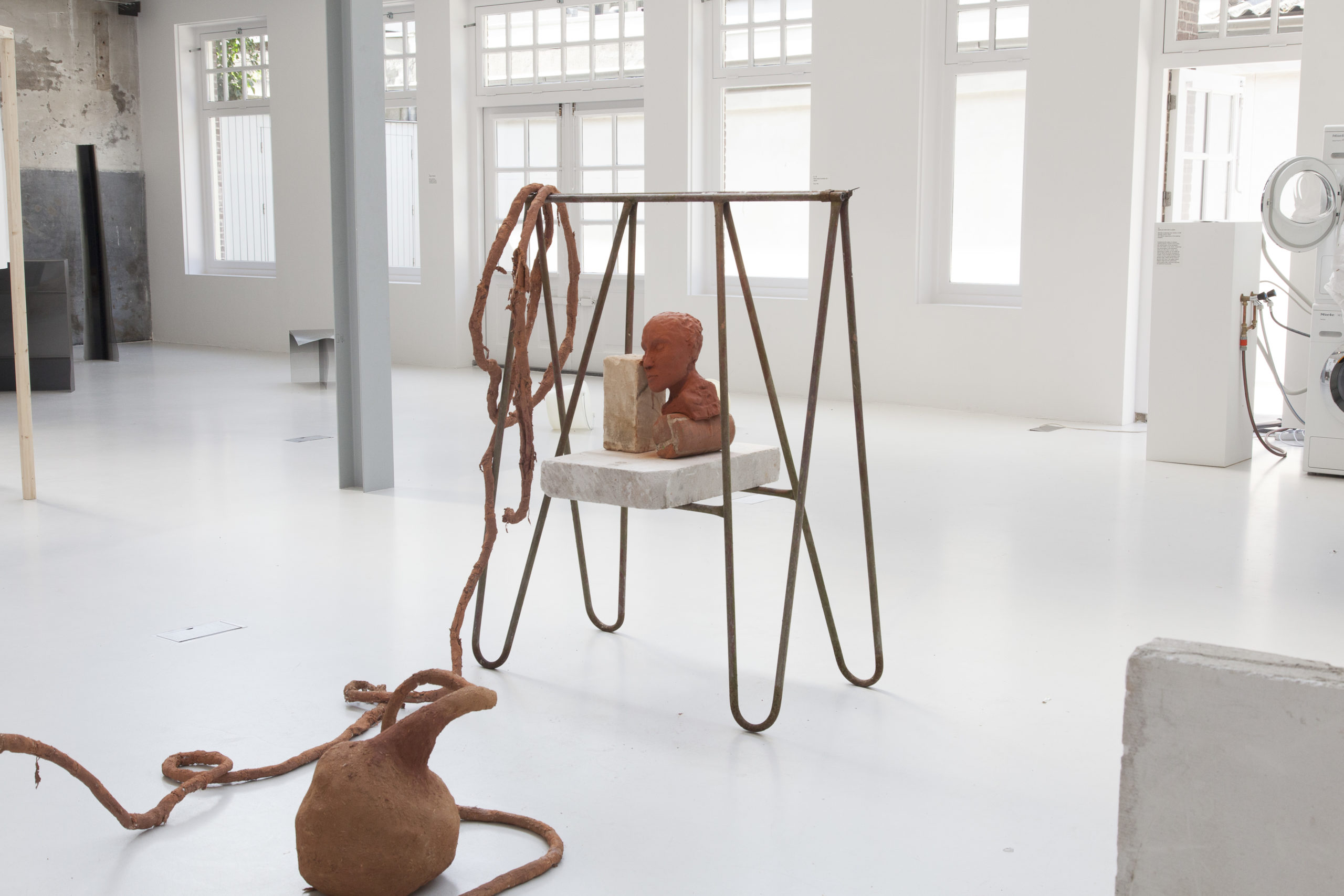
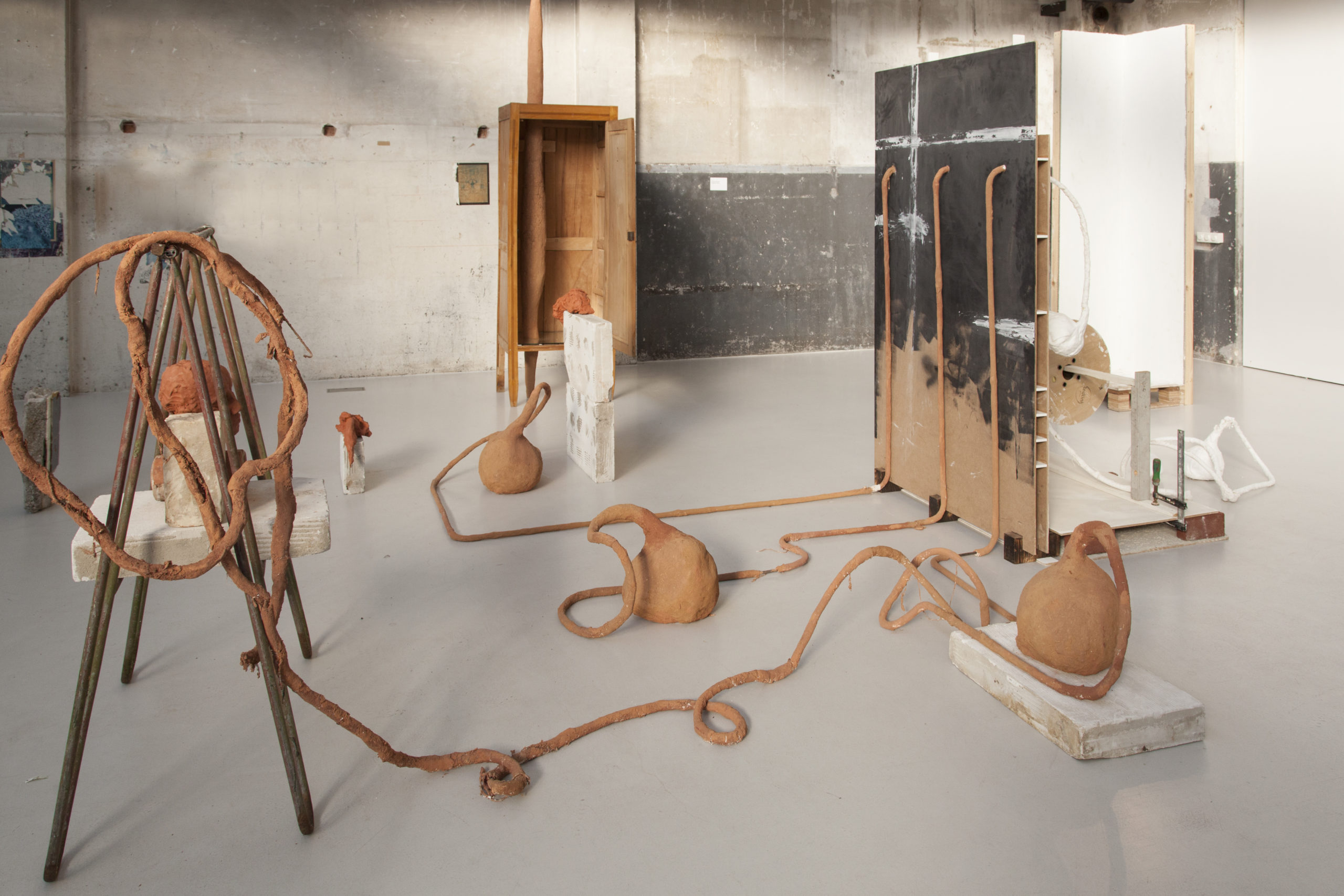
Material: Wood, leem, plaster, ceramic, steal, concrete
Size: Installation 7m x 6m.
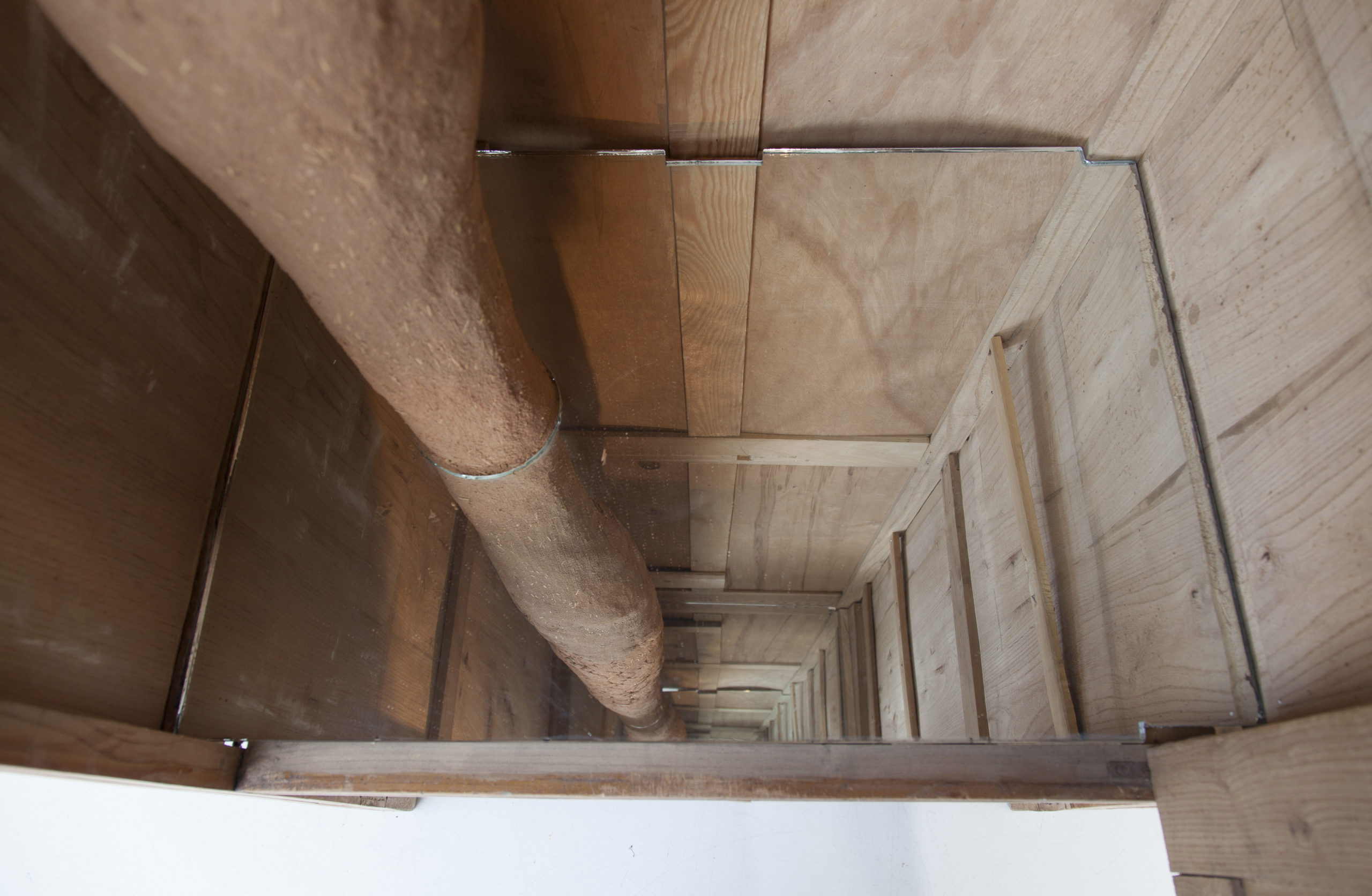
Woman That Became a Building is a spatial installation in which three different life forms interact: a colony of ants, the human body (specifically the female body), and a constructed interior space made up of walls, closets, and bricks. This encounter between nature, the body, and architecture forms the core of the work—a system in which construction, deconstruction, and reconstruction are constantly taking place.
The installation explores how the female body has been historically and symbolically tied to the domestic space. The home as a “feminine” realm—often perceived as a safe haven, but also as a space of confinement and control. This work interrogates that supposed safety: who designed this space? For whom was it intended? And which bodies are shaped, confined, or questioned within it?
The title, “Woman That Became a Building”, functions both as a metaphor and a literal starting point. The woman does not merely become part of a space—she becomes space: a body turning into walls, an identity absorbed into its surroundings. The installation touches on themes of visibility, care, isolation, reproduction, and control. It raises questions about how female bodies are read, shaped, and confined by cultural and societal structures.
By combining the organic life of ants—collective, functional, but not hierarchical—with the human body and architectural elements, the work proposes an alternative vision of structure and coexistence. The ant, as metaphor, does not symbolize submission, but instead carries the potential of a different, non-patriarchal order: decentralized, mobile, and in constant interaction with its environment.
Woman That Became a Building thus becomes a search for a new, post-patriarchal architecture: one in which the female body is no longer formed by systems of power and control, but becomes a shaping force in itself—fluid, layered, and alive. The work invites a reimagining of the domestic sphere, not as a prison, but as a potential site of transformation.